
Introduction: Understanding “Attā hi attano nātho”
In the vast wisdom of Buddhist teachings, few phrases are as powerful and transformative as “Attā hi attano nātho.” This profound statement, found in the Dhammapada and taught by Gautama Buddha, carries a timeless message of self-reliance, responsibility, and inner strength.
The phrase translates to:
“One is one’s own protector; who else could be the protector?”
In today’s fast-paced world, where people often seek external validation and support, this teaching reminds us that true change begins within. This blog explores the deeper meaning, philosophical context, and practical application of Attā hi attano nātho, helping you integrate it into your daily life.
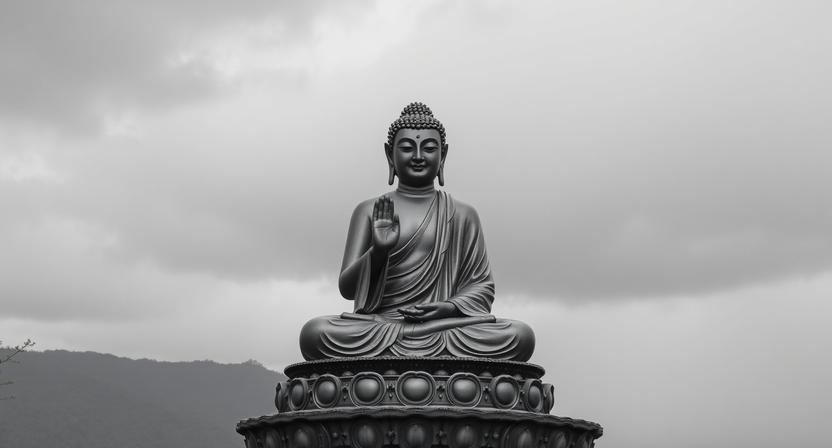
What Does “Attā hi attano nātho” Mean?
Literal Meaning of the Phrase
- Attā – self
- hi – indeed
- attano – of oneself
- nātho – protector or refuge
Together, the phrase emphasizes that you are your own refuge and guide.
Spiritual Interpretation
This teaching does not deny the importance of teachers, mentors, or community. Instead, it highlights that:
- No one else can purify your mind for you
- No external force can eliminate your suffering permanently
- Your liberation depends on your own effort
The Philosophical Foundation Behind Attā hi attano nātho
1. The Principle of Personal Responsibility
Buddhism teaches that every individual is responsible for their actions (karma). Your present situation is shaped by your past actions, and your future depends on what you do now.
👉 This makes self-effort essential.
2. The Role of Karma
The law of karma states:
- Good actions lead to positive outcomes
- Negative actions lead to suffering
Since you create your own karma, you are ultimately your own protector.
3. The Path to Liberation (Nirvana)
The Buddha showed the path, but he clearly stated that:
“You must walk the path yourself.”
No one can meditate, understand, or awaken on your behalf.
Why “Attā hi attano nātho” is Relevant Today
1. In a World of Dependency
Modern society often encourages dependency—on technology, people, or systems. This teaching reminds us to:
- Build inner strength
- Develop independence
- Take control of our lives
2. Mental Health and Self-Awareness
Self-reliance promotes:
- Emotional resilience
- Self-awareness
- Mindfulness
Instead of blaming others, you begin to understand your own mind.
3. Personal Growth and Success
Whether in career, education, or relationships:
- Success depends on your effort
- Discipline and consistency matter
- Self-belief becomes your greatest asset
Practical Ways to Apply Attā hi attano nātho in Daily Life
1. Take Ownership of Your Actions
Stop blaming circumstances or people. Ask yourself:
- What can I do to improve this situation?
- How can I respond better?
2. Practice Mindfulness
Be aware of:
- Your thoughts
- Your emotions
- Your reactions
Mindfulness helps you become your own guide.
3. Develop Self-Discipline
Create habits that support your growth:
- Regular meditation
- Ethical living
- Continuous learning
4. Build Inner Confidence
Trust yourself. Remember:
- You are capable
- You can learn and grow
- You can overcome challenges
5. Learn from Mistakes
Mistakes are not failures—they are lessons. Use them to improve yourself.
Attā hi attano nātho and Mindfulness Practice
The Role of Meditation
Meditation is a direct way to experience this teaching:
- You observe your own mind
- You understand your patterns
- You transform yourself
Self-Observation as a Tool
Instead of trying to change others:
- Observe your reactions
- Improve your responses
- Cultivate calmness and clarity
Common Misunderstandings About Attā hi attano nātho
Misconception 1: It Promotes Isolation
Reality:
It encourages inner strength, not loneliness. You can still seek guidance and support.
Misconception 2: It Rejects Help from Others
Reality:
Teachers and mentors are important, but they can only guide—not transform you.
Misconception 3: It is Self-Centered
Reality:
It actually promotes responsibility, compassion, and awareness.
A Simple Real-Life Example
Consider a student preparing for an exam:
- Teachers provide guidance
- Books provide knowledge
- Coaching offers support
But ultimately:
Only the student’s effort determines success
This is the essence of Attā hi attano nātho.
Lessons for Modern Life
1. Be Your Own Leader
Take charge of your life decisions.
2. Focus on Self-Improvement
Work daily on becoming a better version of yourself.
3. Develop Emotional Strength
Learn to handle stress, failure, and uncertainty.
4. Stop Seeking External Validation
Your worth is not defined by others.
SEO Benefits of Understanding This Concept (For Content Creators)
If you are a writer, blogger, or mindfulness expert:
- This topic has strong search potential
- It connects spirituality with practical life
- It appeals to readers interested in Buddhism and self-growth
Use the focus keyword naturally:
- Attā hi attano nātho meaning
- Attā hi attano nātho explanation
- Attā hi attano nātho in Buddhism
Conclusion: Become Your Own Refuge
The teaching “Attā hi attano nātho” is a timeless reminder that:
You are responsible for your own life, growth, and liberation.
In a world full of distractions and dependencies, this wisdom empowers you to:
- Trust yourself
- Work on yourself
- Transform yourself
When you truly understand and apply this teaching, you no longer wait for change—you become the change.
Final Thought
Be your own guide. Be your own protector. Walk your own path.
That is the true essence of Attā hi attano nātho.