
Introduction – The Search for an Unshakable Mind
Learning how to achieve āniñja state is a transformative journey that leads to mental clarity, emotional balance, and deep inner peace. In today’s fast-paced and unpredictable world, the human mind is constantly disturbed by stress, anxiety, emotions, and external situations.
A small criticism can trigger anger, a minor failure can cause disappointment, and uncertainty often leads to fear. In such a state, many people seek a deeper level of inner peace—a state where the mind remains calm and stable regardless of circumstances.
In Buddhist teachings, this ideal state is known as āniñja, which means unshakable, imperturbable, or unmoving. It is a condition where the mind is not disturbed by external events or internal reactions.
This blog will guide you step by step on how to develop this powerful state of mind.
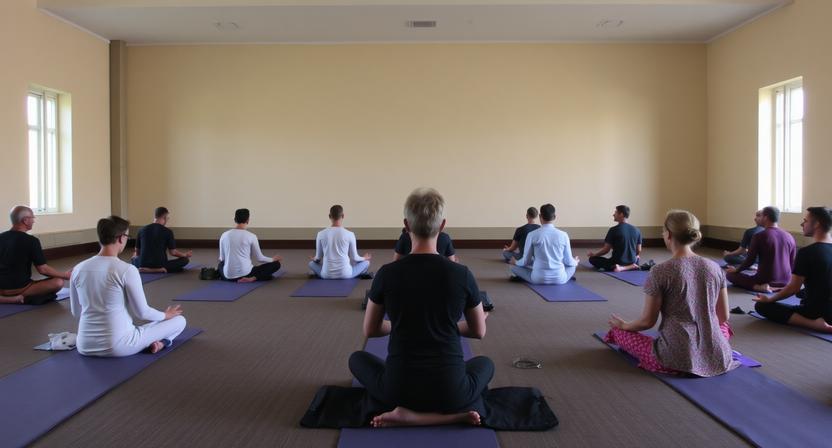
What Is Āniñja State?
The term āniñja comes from Pāli and refers to a mind that is completely steady and undisturbed. It is not affected by praise or blame, success or failure, pleasure or pain.
An āniñja mind is:
- Calm and balanced
- Free from agitation
- Rooted in equanimity
- Stable in all situations
This state is often associated with advanced levels of meditation and deep mental training.
Why Achieving Āniñja State Is Important
Understanding how to achieve āniñja state is important because it helps us:
- Reduce stress and anxiety
- Control emotional reactions
- Improve decision-making
- Develop inner strength
- Experience lasting peace
Instead of being controlled by circumstances, we learn to remain steady and aware.
Step 1: Build a Strong Moral Foundation (Sīla)
The first step toward an unshakable mind is ethical living.
When our actions are aligned with truth and kindness, the mind becomes peaceful and free from guilt. Without this foundation, mental stability is difficult to achieve.
Practices:
- Speak truthfully
- Avoid harming others
- Practice honesty and integrity
A disciplined life creates a stable mind.
Step 2: Develop Mindfulness (Sati)
Mindfulness is the ability to observe your thoughts, emotions, and actions without judgment.
It is essential for understanding how the mind works.
Practice:
- Focus on your breath
- Observe thoughts as they arise
- Notice emotions without reacting
When you observe your mind, you begin to realize that thoughts and emotions are temporary.
Step 3: Train the Mind in Concentration (Samādhi)
A scattered mind cannot become āniñja. Concentration helps bring stability.
Practice:
- Sit quietly and focus on one object (like breathing)
- When the mind wanders, gently bring it back
- Practice daily
Over time, the mind becomes more focused and less reactive.
Step 4: Cultivate Equanimity (Upekkhā)
Equanimity is the core of āniñja.
It means remaining balanced in all situations—whether pleasant or unpleasant.
Practice:
- Accept both success and failure
- Avoid overreacting to emotions
- Stay calm during challenges
Equanimity allows the mind to remain unshaken.
Step 5: Understand Impermanence (Anicca)
Everything in life is constantly changing. Understanding this truth reduces attachment and fear.
Practice:
- Observe how emotions come and go
- Notice how situations change
- Reflect: “This will pass”
When you accept impermanence, the mind becomes lighter and more stable.
Step 6: Let Go of Craving and Aversion
The main causes of mental disturbance are:
- Craving (wanting things)
- Aversion (rejecting things)
Practice:
- Observe desires without acting on them immediately
- Accept unpleasant experiences without resistance
Letting go of attachment brings freedom.
Step 7: Practice Deep Meditation
Advanced meditation helps develop a deeply stable mind.
As you continue practicing:
- Thoughts become quieter
- Awareness becomes clearer
- Inner stillness increases
This leads to the experience of āniñja—a completely calm and steady mind.
Daily Routine to Develop Āniñja State
To understand how to achieve āniñja state, consistency is key.
Suggested Routine:
- Morning: 15–20 minutes meditation
- Day: Practice mindfulness in daily activities
- Evening: Reflect on your reactions
Even small daily efforts can bring significant changes over time.
Common Obstacles on the Path
While practicing, you may face challenges such as:
- Restlessness
- Doubt
- Laziness
- Emotional reactions
These are natural. The solution is patience and regular practice.
Signs of Progress
As you move toward āniñja, you may notice:
- Reduced emotional reactivity
- Increased calmness
- Better focus
- Less overthinking
- Greater clarity
These are signs that your mind is becoming more stable.
Real-Life Example
Imagine someone criticizes you.
- A reactive mind becomes angry
- A mindful mind observes the reaction
- An āniñja mind remains calm and balanced
This is the difference between an ordinary mind and a trained mind.
Benefits of Achieving Āniñja State
Learning how to achieve āniñja state brings many benefits:
- Deep inner peace
- Emotional resilience
- Better relationships
- Clear thinking
- Freedom from stress
You begin to live with awareness instead of reaction.
Conclusion – The Path to Inner Stability
The journey of understanding how to achieve āniñja state is a journey inward. It is not about controlling the external world but about mastering the inner world.
By practicing ethics, mindfulness, concentration, and equanimity, anyone can gradually develop an unshakable mind.
Āniñja is not about suppressing emotions—it is about being free from their control.
In a world full of change and uncertainty, developing such inner stability is one of the greatest achievements.
True strength lies in a mind that remains calm in all situations.