
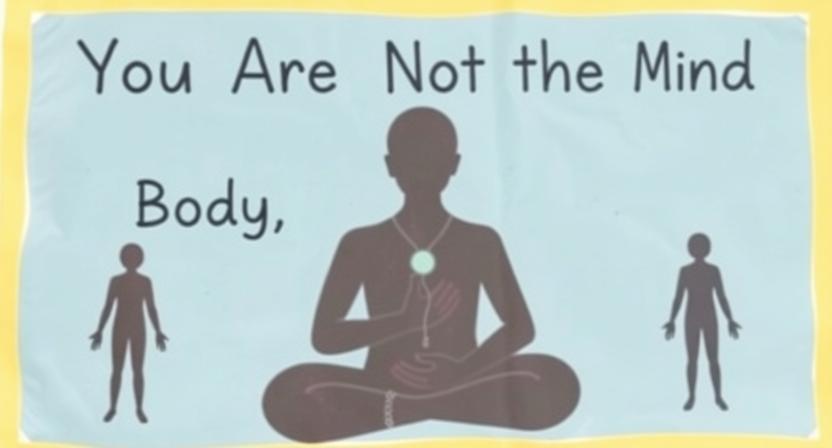
The idea that you are not the body, mind, thoughts, and emotions may sound surprising at first. Yet this insight has been explored for centuries in philosophy, meditation traditions, and psychology. Many teachings suggest that beneath these changing layers of experience lies a deeper reality—pure awareness or consciousness.
Introduction – The Great Misunderstanding About Identity
One of the deepest questions in human life is: Who am I? Most people automatically identify themselves with their body, their thoughts, their emotions, and their personality. When someone asks who you are, you may answer with your name, profession, or personal story. However, spiritual traditions and contemplative practices suggest that this understanding of identity is incomplete.
Understanding this truth can transform the way we experience life. It can reduce suffering, increase inner peace, and help us live with greater clarity and freedom.
Understanding the Layers of Human Identity
To understand this concept, we must first examine the different layers of our experience. Human identity is made up of several components that often appear to define who we are.
The Physical Body – The Outer Layer
The body is the most visible aspect of our identity. We look in the mirror and see our physical form, and naturally we assume this is who we are. However, the body is constantly changing.
Cells die and regenerate every day. Our appearance changes as we grow, age, and adapt to different environments. The body you had ten years ago is not exactly the same body you have today.
If something is constantly changing, can it truly be your permanent identity? The body is an important part of our experience, but it may not represent our deepest self.
The Mind – The Thinking Mechanism
The mind is responsible for thinking, analyzing, remembering, and imagining. It helps us make decisions and navigate daily life.
However, the mind is also constantly changing. New ideas appear, old beliefs disappear, and opinions evolve with time. Sometimes the mind is calm and focused; at other times it is restless and confused.
Since the mind continuously changes, it may be more accurate to view it as a tool rather than our true identity.
Thoughts – Temporary Mental Events
Thoughts arise and disappear throughout the day. A single thought may last only a few seconds before being replaced by another.
Sometimes thoughts are positive and inspiring. At other times they may be negative or anxious. But no matter what type of thought appears, it eventually fades away.
An interesting observation is that we can notice our thoughts. If you can observe a thought, then the observer must be different from the thought itself.
This realization suggests that thoughts are experiences we have, not the essence of who we are.
Emotions – Passing Inner States
Emotions are powerful experiences that influence our behavior and decisions. Happiness, sadness, anger, excitement, and fear are all part of human life.
But emotions are also temporary. A person may feel joyful in the morning and frustrated in the afternoon. The emotional state changes depending on circumstances.
Because emotions are constantly shifting, they cannot represent a stable identity. Instead, they are experiences that arise within awareness.
The Witness Consciousness – The Real You
If you are not the body, mind, thoughts, or emotions, then what are you?
Many philosophical and contemplative traditions suggest that the true self is awareness itself—the silent witness that observes all experiences.
This awareness is present when you notice your thoughts, when you feel emotions, and when you observe your surroundings. It does not come and go like thoughts or feelings. Instead, it remains constant while experiences change.
This observing presence is sometimes called:
- Witness consciousness
- Pure awareness
- The observing self
It is the background of every experience.
Ancient Wisdom About the True Self
The idea that we are not our thoughts or body is not new. Many philosophical traditions have explored this insight.
Insights from Eastern Philosophy
In various Eastern traditions, awareness is considered the deepest aspect of human existence. These teachings emphasize that the body and mind are instruments through which consciousness experiences the world.
Recognizing this distinction can help individuals move beyond attachment to temporary experiences.
Meditation and Self-Observation
Meditation practices often encourage people to observe their thoughts without reacting to them. During meditation, practitioners learn to watch the flow of thoughts and emotions as if they were passing clouds.
Over time, this practice reveals an important insight: the observer remains still while the mind continues to change.
This realization can bring a profound sense of calm and clarity.
Why Identifying with the Mind Causes Suffering
When people strongly identify with their thoughts and emotions, they may experience unnecessary suffering.
For example:
- Negative thoughts may create anxiety.
- Emotional reactions may lead to conflict.
- Fear of change may cause stress.
If a person believes that every thought defines their identity, they may feel overwhelmed by mental activity. However, recognizing that thoughts are temporary can reduce their power.
Understanding that you are the observer of thoughts, not the thoughts themselves, can create space between awareness and mental reactions.
Signs That You Are the Observer
There are several simple observations that suggest we are the witness of experience.
You Can Watch Your Thoughts
At any moment, you can notice what you are thinking. The act of observing thoughts shows that the observer is separate from them.
You Can Observe Your Emotions
When anger or sadness arises, you can become aware of it. This awareness indicates that emotions are events within consciousness rather than the essence of the self.
Awareness Remains Constant
Thoughts, feelings, and sensations change, but awareness itself remains present throughout all experiences.
How to Experience Your True Nature
Understanding this concept intellectually is helpful, but experiencing it directly is even more powerful.
Practice Mindful Awareness
Pay attention to your thoughts and emotions without immediately reacting to them. Notice how they arise and fade.
Meditation
Meditation allows the mind to become quieter and reveals the background of awareness more clearly. Even a few minutes of daily meditation can deepen self-understanding.
Detach from Mental Narratives
The mind constantly creates stories about the past and the future. Recognizing that these stories are mental constructions can reduce stress and emotional turbulence.
Benefits of Realizing You Are Not the Mind
When people realize they are not limited to their thoughts and emotions, several positive changes often occur.
Greater Inner Peace
Since thoughts are no longer seen as the absolute truth, mental noise loses its intensity.
Emotional Balance
Recognizing the temporary nature of emotions allows individuals to respond calmly instead of reacting impulsively.
Freedom from Overthinking
When people stop identifying with every thought, they become less trapped in cycles of worry and rumination.
Improved Clarity
Seeing thoughts as passing events allows the mind to become clearer and more focused.
Living from Awareness Instead of Ego
When life is guided by awareness rather than ego, actions become more thoughtful and compassionate.
People begin to respond to situations with patience instead of reacting with anger or fear. Relationships improve because interactions are less driven by emotional impulses.
Living from awareness encourages greater understanding of oneself and others.
Conclusion – Returning to Your True Self
The insight that you are not the body, mind, thoughts, and emotions can transform your perspective on life. Instead of being controlled by changing experiences, you can learn to observe them with clarity and calmness.
The body will continue to change, thoughts will come and go, and emotions will rise and fall. Yet the awareness that observes these experiences remains constant.
Discovering this deeper dimension of identity is not about rejecting the body or mind. Rather, it is about recognizing that they are tools through which awareness experiences life.
By exploring mindfulness, meditation, and self-reflection, anyone can begin the journey toward understanding their true nature.
And in that understanding, many people find the peace they have been searching for all along.